

Retail & e-commerce
Ike Behar
Menswear
[EST. 1957]
Ike Behar has been a New York shirtmaker since 1957. We’re planning one model for the line sheets, the labels and the store orders.
Scoped
[INTAKE]
Vendor intake
We’d set up each new mill or maker once, with its documents and terms. After that, Marzy would read every line sheet into the style record, from the cloth to the size run by neck and sleeve. Only what it can’t read would come back as a question.
See how MarzyOS worksMarzyOS for menswear.
In discovery
[LABELS]
Compliance
A shirt's labels have to state its fiber, its origin and its care, and every store account's vendor manual adds rules for tickets and cartons. Marzy would check each style against the mill's spec, and each shipment against the account's manual, before it leaves.
Read about the ontology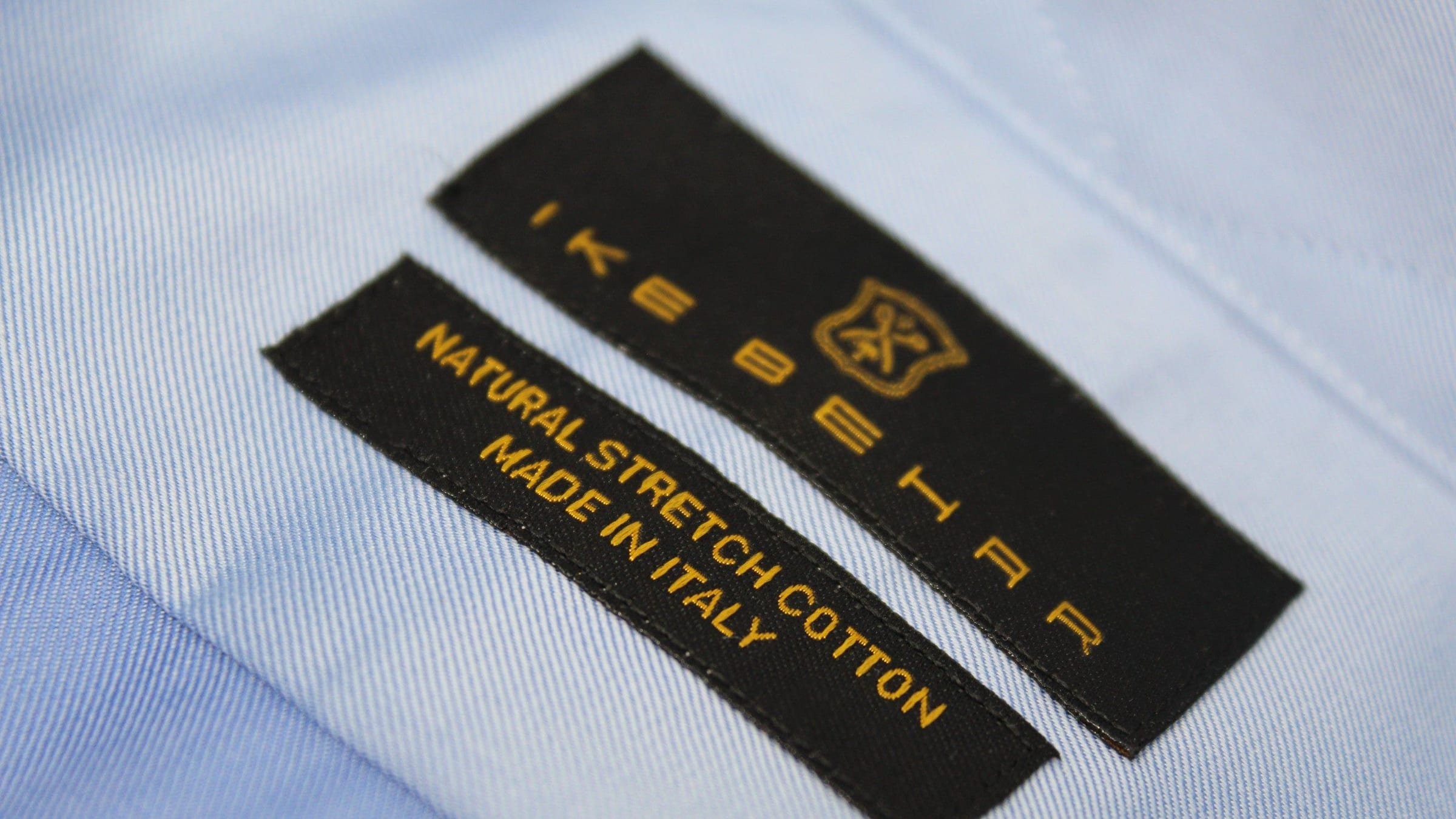
Scoped
[ORDERS]
Store orders
Specialty stores and the brand's own shops reorder by email, phone and spreadsheet, in neck and sleeve sizes. Marzy would read each order into one record and check it against stock, size by size. It would draft the fill and the backorder for a person to approve.
See how MarzyOS worksThe proposed desk.
MarzyOS for menswear.
01
It arrives.
The proposed desk would take line sheets, label proofs and store reorders. Each would arrive by email or upload, in the format its sender picked.
02
Marzy reads it.
Marzy would read each value into the style, label or order for review. Missing specifications would stay open for the team to settle.
03
Marzy checks it.
The check would compare the mill’s spec, the account’s manual and the stock record. Anything in doubt would wait for a person.
04
A person signs off.
The approval, source and change would stay beside the record for later review.
New York,
1957
History
Ike Behar, the son of a tailor in Havana, came to New York in 1952 and bought his own shop in 1957.
He developed and patented the diamond-quilted collar that the shirts still carry. The business is still in the family, and its own shops are in Charleston and Washington, D.C.
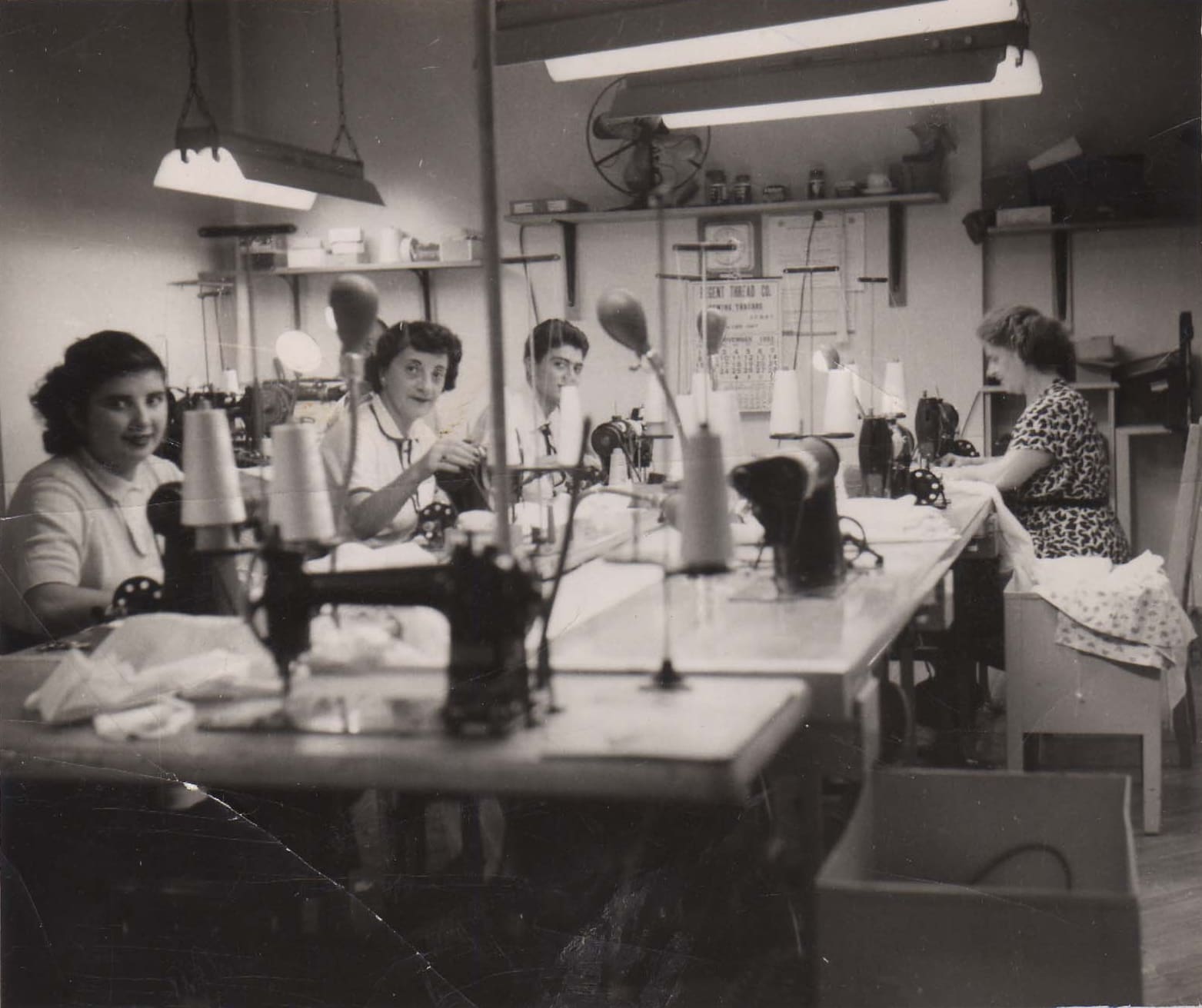
New York City, circa 1957.
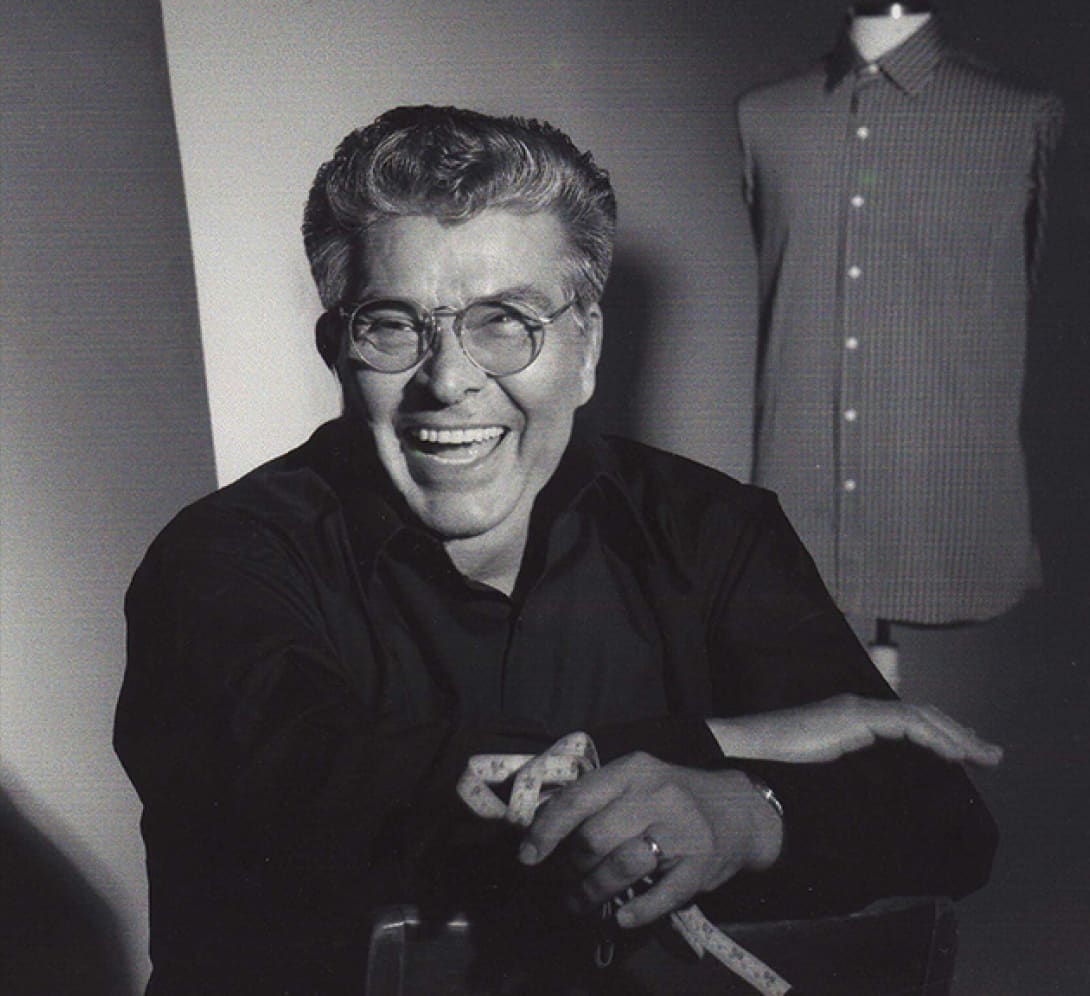
Ike Behar.
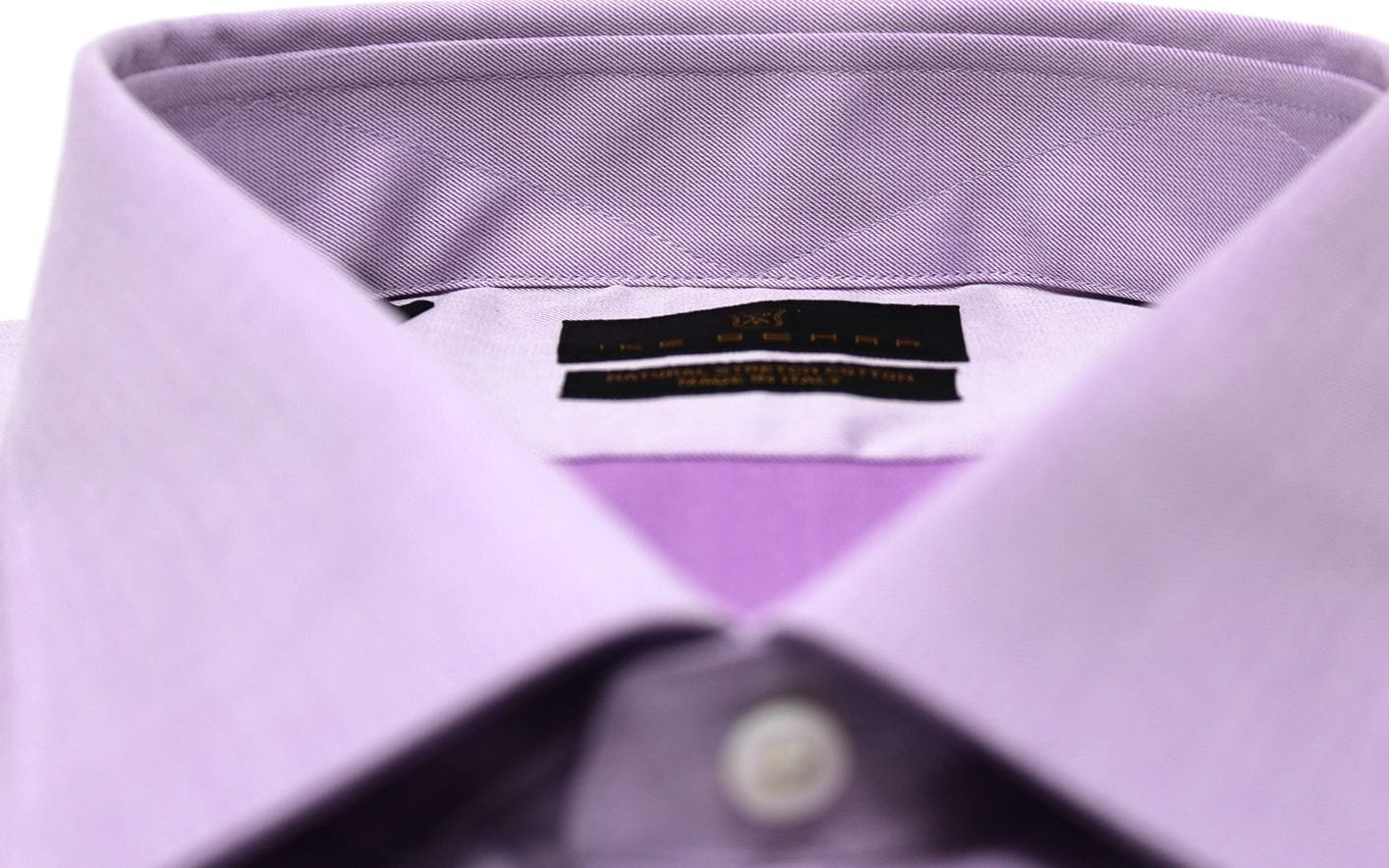
The diamond-quilted collar.
On film
[1988]
IKE BEHAR PROMO 1988
The IKEBEHAR channel on YouTube carries this promotional film from 1988. The button opens it in a new tab.
Watch on YouTube (opens a new tab)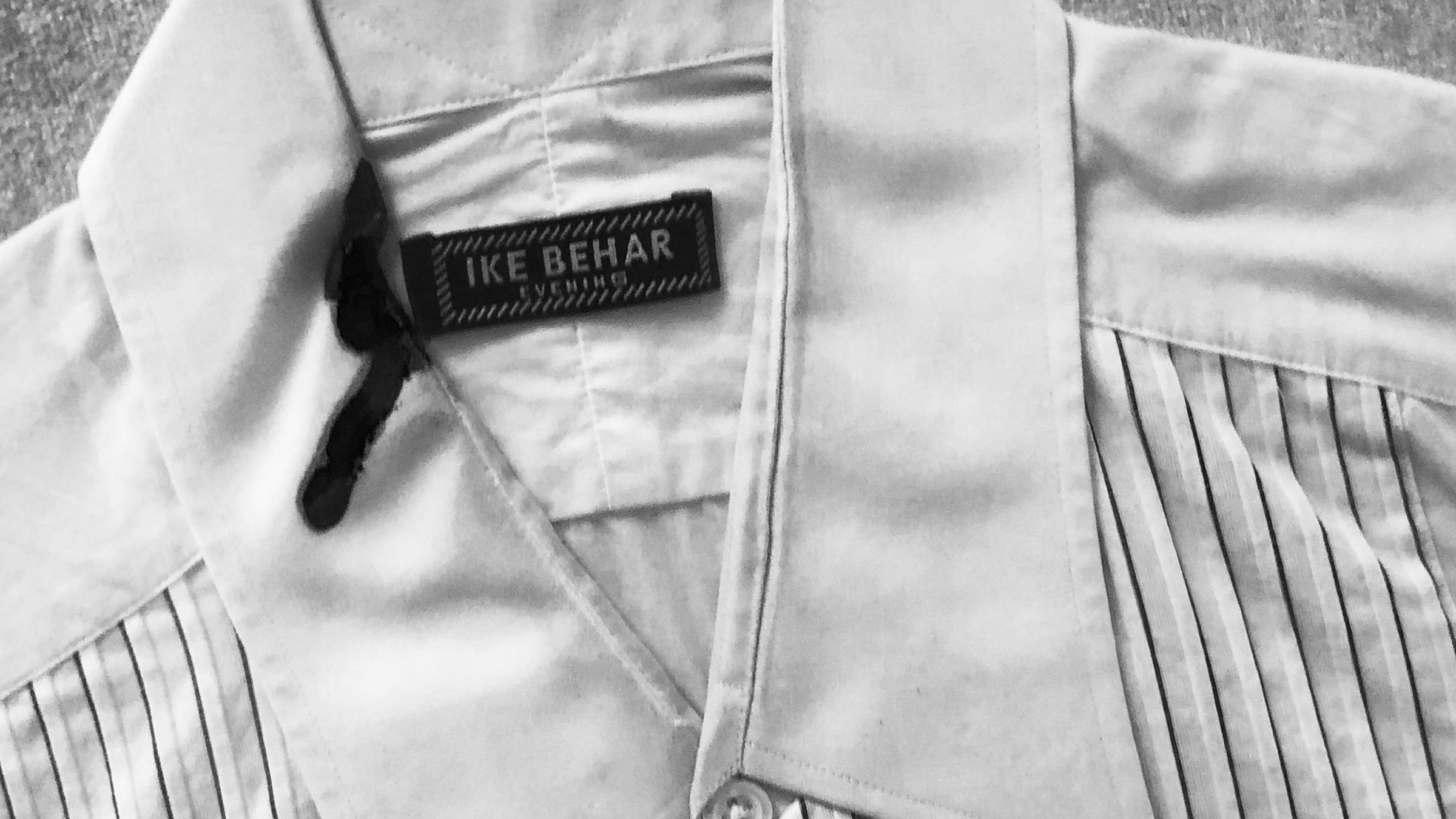
Start with one workflow and one season.
Where it stands
Scoped, not built
Bring the line sheets, the vendor manuals and the order inbox. We map the work with the people who do it, build it against your own records, and show you the receipts.
Get in touch See how MarzyOS works